
Electric vs Gas Boat Motors: Which is Better?
A practical comparison of thrust, runtime, total weight, environmental rules, and maintenance routines for small watercraft and inflatable boats.
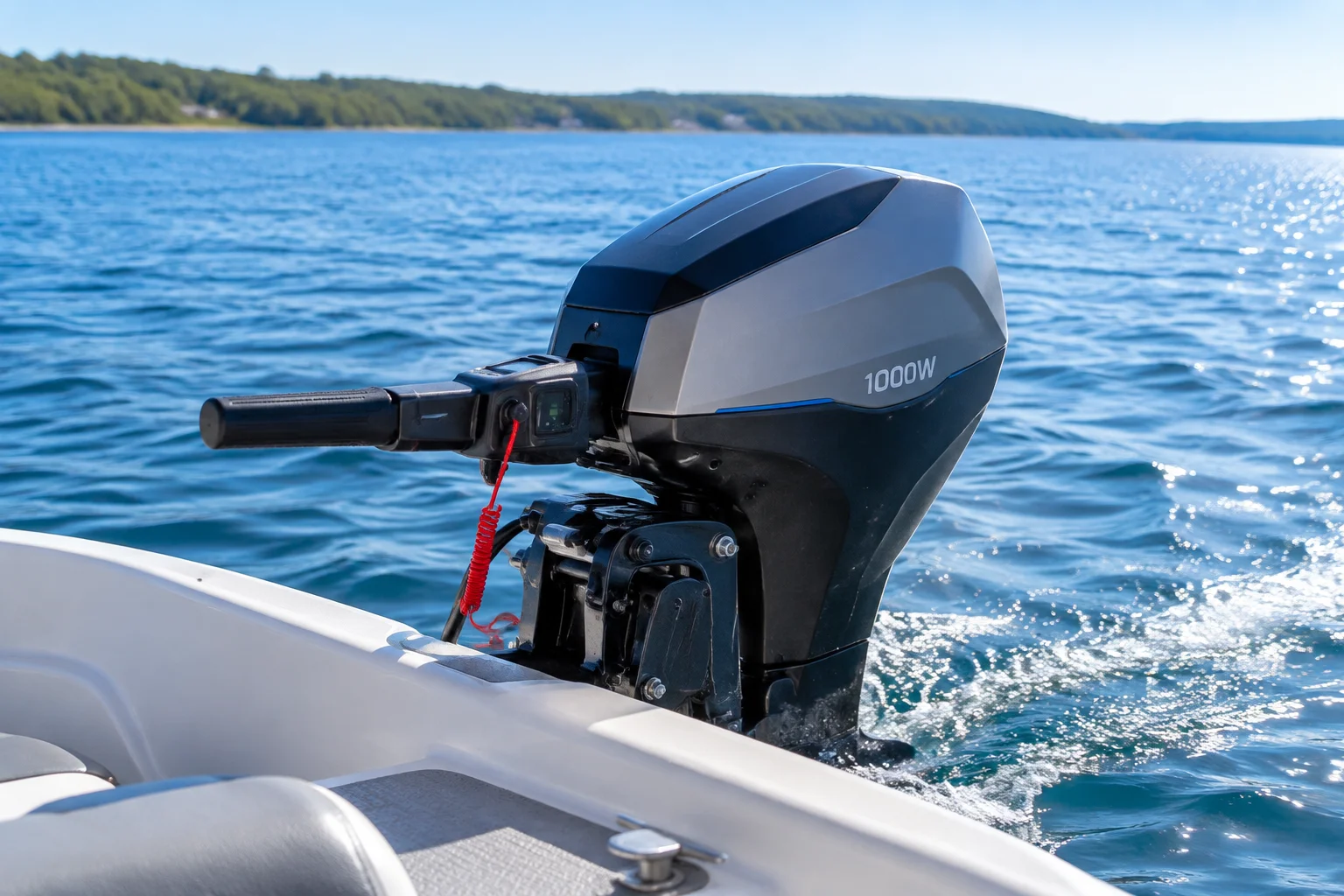 Propulsion Comparison
Silent Precision vs Unlimited Distance
Choosing between an electric outboard and a traditional gas engine hinges on where you launch and how far you venture. Electric drives provide whisper-quiet operation, instant low-end torque, and clean handling free from fumes or fuel mixing. In contrast, four-stroke gas outboards retain the crown for open-bay crossings, heavy cargo hauling, and quick turnaround times without access to a power grid.
Motor Selection & Practical Analysis
Noise Control and Freshwater Access
Anglers creeping into shallow reed beds recognize the immediate tactical value of an electric outboard. The absence of mechanical engine clatter prevents skittish bass or trout from scattering before your lure hits the surface. Furthermore, an increasing number of natural reservoirs, drinking water basins, and provincial parks now strictly prohibit internal combustion outboards to prevent fuel slicks and noise pollution.
An electric unit lets you navigate pristine nature reserves without incurring fines or disturbing local ecosystems. A gas engine may remain barred from your target fishing waters regardless of its horsepower.
Maintenance Demands and Weight Distribution
Routine upkeep creates one of the sharpest divides between the two propulsion families. Gas outboards demand regular carburetor cleansing, spark plug replacement, lower-unit gear lube swaps, and meticulous winterization with fuel stabilizers. Electric units eliminate oil filters, fuel lines, pull cords, and exhaust manifolds altogether, leaving only propeller shaft grease and dry storage as your seasonal tasks.
- Weight balance: Lithium LiFePO4 batteries reduce overall pack weight by half compared to legacy lead-acid banks.
- Trunk cleanliness: Electric units can be laid flat in your car trunk without risk of oil or fuel leakage onto upholstery.
- Push-button reliability: Electric motors start instantly in freezing autumn mornings without choke adjustments.
- Range replenishment: Refueling a gas tank takes three minutes at any marina pump, while battery charging requires shore power access.
When selecting a motor for a lightweight PVC inflatable craft, evaluate how often you travel beyond quick trail access. For inland lakes and half-day trips, electric motors offer unrivaled peace of mind. For sprawling tidal bays, heavy currents, or remote backcountry routes, gas reserves remain indispensable.
Related Adventures & Guides
Ready to test these techniques on open water?
Explore our range of heavy-duty inflatable boats, SUP boards, carbon paddles, and electric marine motors.
Tom H. Verified Purchase
Electric motors are so much quieter, perfect for fishing.
Chris P. Verified Purchase
Good comparison breakdown.